
Leading Equipment for Tree Debris Removal and Yard Maintenance
Equip yourself with high-performance tools that make clearing fallen branches and debris a straightforward task.
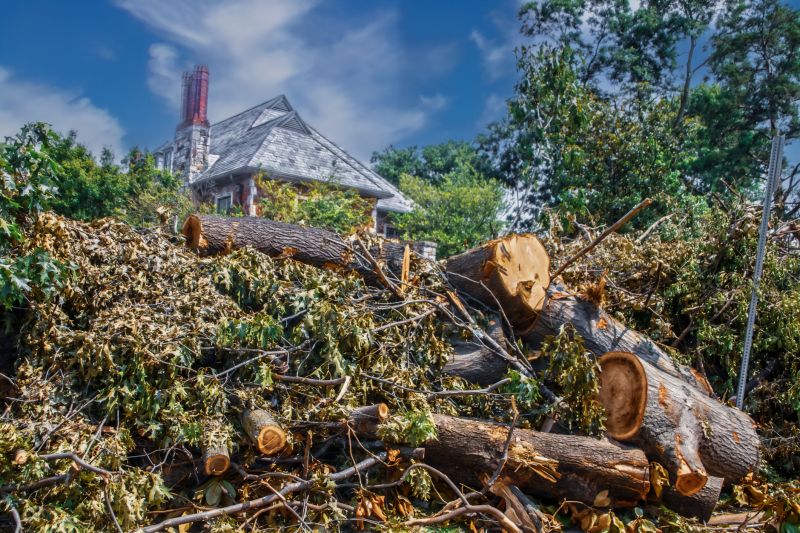 Removing tree debris effectively requires a combination of suitable tools and equipment designed for handling various sizes and types of fallen branches, leaves, and other organic matter. Whether dealing with small twigs or larger branches, selecting the right products can help streamline cleanup efforts and reduce physical strain. These tools are commonly used by homeowners, landscapers, and maintenance professionals alike, ensuring that outdoor spaces remain tidy and safe after storms, pruning, or natural shedding. The variety of available products caters to different needs, from lightweight hand tools to powerful machinery capable of managing substantial debris loads.
Top Overall Option
Multi-Functional Yard Debris Tool
A versatile yard debris tool combines multiple functions such as raking, leaf blowing, and light pruning into a single lightweight device, making it suitable for various debris removal tasks around the yard. Its ergonomic design and adjustable features help improve comfort and efficiency during use, making it a practical choice for homeowners seeking a comprehensive solution. This type of tool often includes interchangeable attachments, allowing users to adapt it for different debris types and yard conditions.
Types of Products For Tree Debris Removals
Leaf Rakes
Manual tools designed for gathering and collecting leaves and small debris, available in various widths and handle lengths for different yard sizes.
Pruning Shears and Loppers
Handheld cutting tools suitable for trimming small branches and twigs, essential for preparing debris for removal.
Chainsaws
Power tools used for cutting larger branches and fallen limbs, available in electric, battery, or gas-powered models.
Leaf Blowers
Devices that blow leaves and light debris into piles for easier collection, available in handheld, backpack, or walk-behind styles.
Wood Chippers and Shredders
Machines that reduce branches and small logs into mulch or chips, facilitating disposal or composting.
Debris Collection Bags and Carts
Heavy-duty bags and carts designed for collecting and transporting yard debris efficiently.
Stump Grinders
Specialized machinery for grinding down tree stumps remaining after removal, suitable for professional use.
Electric and Gas-Powered Leaf Vacuums
Equipment that vacuums leaves and small debris, often with mulching capabilities to reduce volume.
Manual Pole Saws
Extendable saws that allow for pruning and cutting branches at height without ladders.
Hedge Trimmers
Power tools for trimming and shaping bushes and small trees, aiding in debris management.
Garden Forks and Rakes
Manual tools for turning compost, loosening soil, or gathering debris in tight spaces.
Mulching Blowers
Devices that combine blowing and mulching functions to shred leaves and small branches into mulch.
Popular Choices
A portable, battery-powered blower ideal for quick cleanup and maneuverability around the yard.
A traditional tool for gathering leaves, available in various sizes for different yard types.
A lightweight, easy-to-handle chainsaw suitable for trimming small to medium branches.
A robust vacuum capable of collecting leaves and light debris, often with mulching features.
A durable cart for transporting large amounts of yard debris efficiently across the property.
A versatile saw for pruning high branches safely from the ground, reducing debris in hard-to-reach areas.
A compact machine for reducing branches into mulch, suitable for small to medium yard cleanup tasks.
A comfortable, high-capacity blower for large yard debris tasks, worn on the back for ease of use.
Compact cutting tools for trimming small branches and preparing debris for removal.
A cordless trimmer for shaping bushes and small trees, aiding in debris reduction.
A machine for grinding remaining stumps after tree removal, suitable for professional or serious DIY use.
A lightweight vacuum for quick collection of leaves in small or hard-to-reach areas.
When choosing products for tree debris removal, it is important to consider the scope of the task, the size of debris, and the frequency of use. Lightweight tools such as rakes and leaf blowers are ideal for regular yard maintenance, while more robust equipment like chainsaws and wood chippers are suited for larger, more challenging debris. Proper safety gear and accessories are also essential to prevent injuries during cleanup activities. Investing in quality tools can improve efficiency and make the process safer and more manageable.
In addition to manual tools, powered equipment such as electric or gas-powered leaf vacuums and mulchers offer convenience and increased capacity for handling extensive debris. These tools often come with adjustable settings to accommodate different debris types and sizes. For larger properties or commercial operations, more specialized machinery like stump grinders or industrial wood chippers may be necessary. Regardless of the specific products chosen, maintaining and storing equipment properly ensures longevity and optimal performance over time.
Key Buying Considerations
- Assess the size and volume of debris you typically need to handle to select appropriately powered equipment.
- Determine whether manual, electric, or gas-powered tools best suit your frequency of use and portability needs.
- Consider the weight and ergonomic design of tools to reduce fatigue during extended use.
- Check for adjustable features such as variable speeds, telescoping handles, or interchangeable attachments for versatility.
- Evaluate safety features like blade guards, safety switches, and protective gear compatibility.
- Review storage and maintenance requirements to ensure long-term usability of equipment.
- Look for tools with sufficient durability and build quality to withstand regular outdoor use.
- Consider noise levels, especially if working in noise-sensitive environments or neighborhoods.
- Verify compatibility with existing equipment or accessories you may already own.
- Balance cost with features and quality to find the most effective tools within your budget.
- Examine user reviews and ratings to gauge real-world performance and reliability.
- Determine if additional accessories like debris bags, extension cords, or replacement blades are necessary.
- Assess the availability of spare parts and customer support from the manufacturer.
- Think about the environmental conditions where you'll be using the tools, such as wet or rugged terrain.
- Ensure compliance with safety standards and certifications relevant to outdoor power equipment.
This page contains affiliate links. We may earn a commission if you purchase through these links, which helps support our content creation.